
Healthy One Pot Dinner Ideas for Busy Weeknights
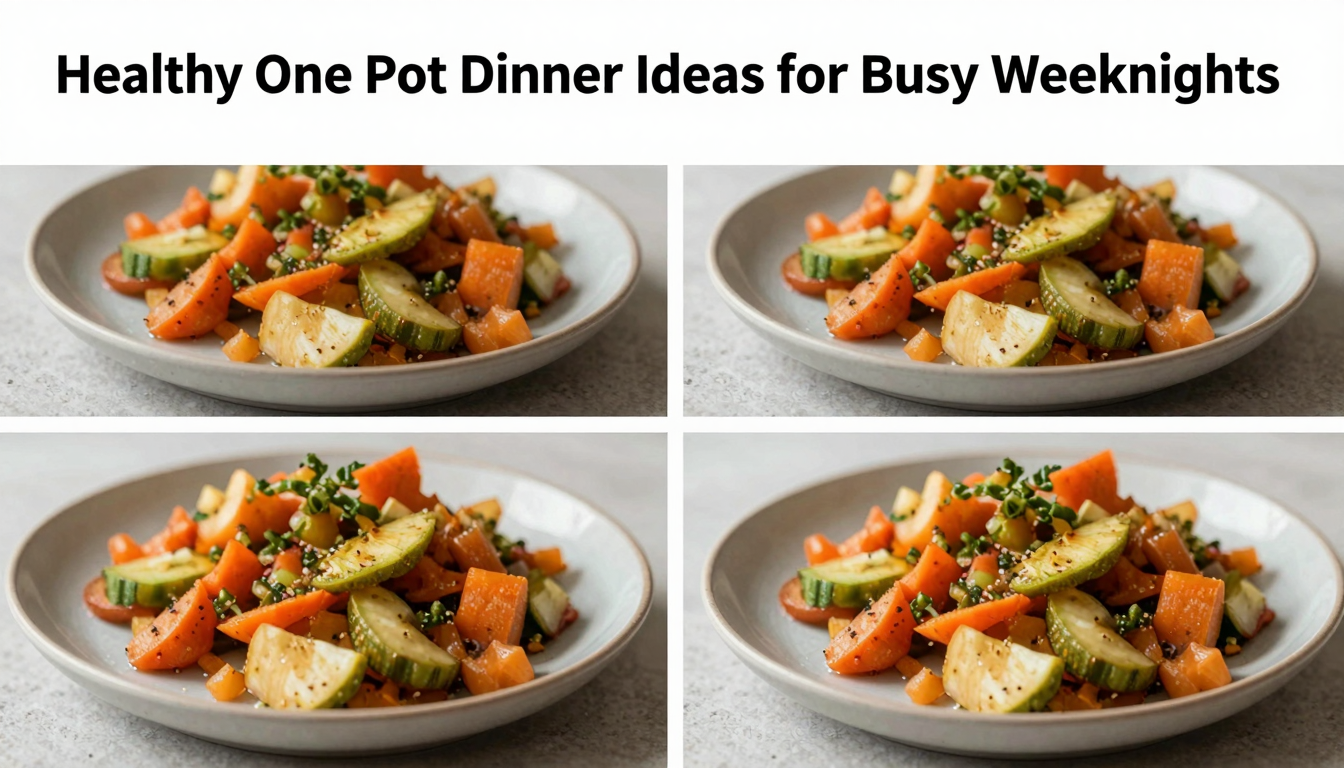
Healthy one pot dinner ideas for busy weeknights work best as a flexible system, not a single perfect recipe. Start with one pan, pot, Dutch oven, or sheet pan; add protein, vegetables, a satisfying starch or legume, and enough flavor to make dinner feel intentional. The goal is less cleanup, fewer decisions, and a meal that still feels balanced.
A simple plate-building mindset helps. Aim for vegetables, protein foods, grains or starchy vegetables, and optional dairy or fortified alternatives, similar to the MyPlate approach to building meals from core food groups. That can look like chicken, peppers, beans, and rice in a skillet; lentils, tomatoes, and greens in a soup; or tofu, cabbage, noodles, and peanut-lime sauce in one pan.
What Makes a One-Pot Dinner Feel Healthy and Satisfying
A healthy one-pot dinner should fill you up, bring in helpful nutrients, and taste good enough for leftovers. That usually means combining fiber, protein, volume, and flavor.
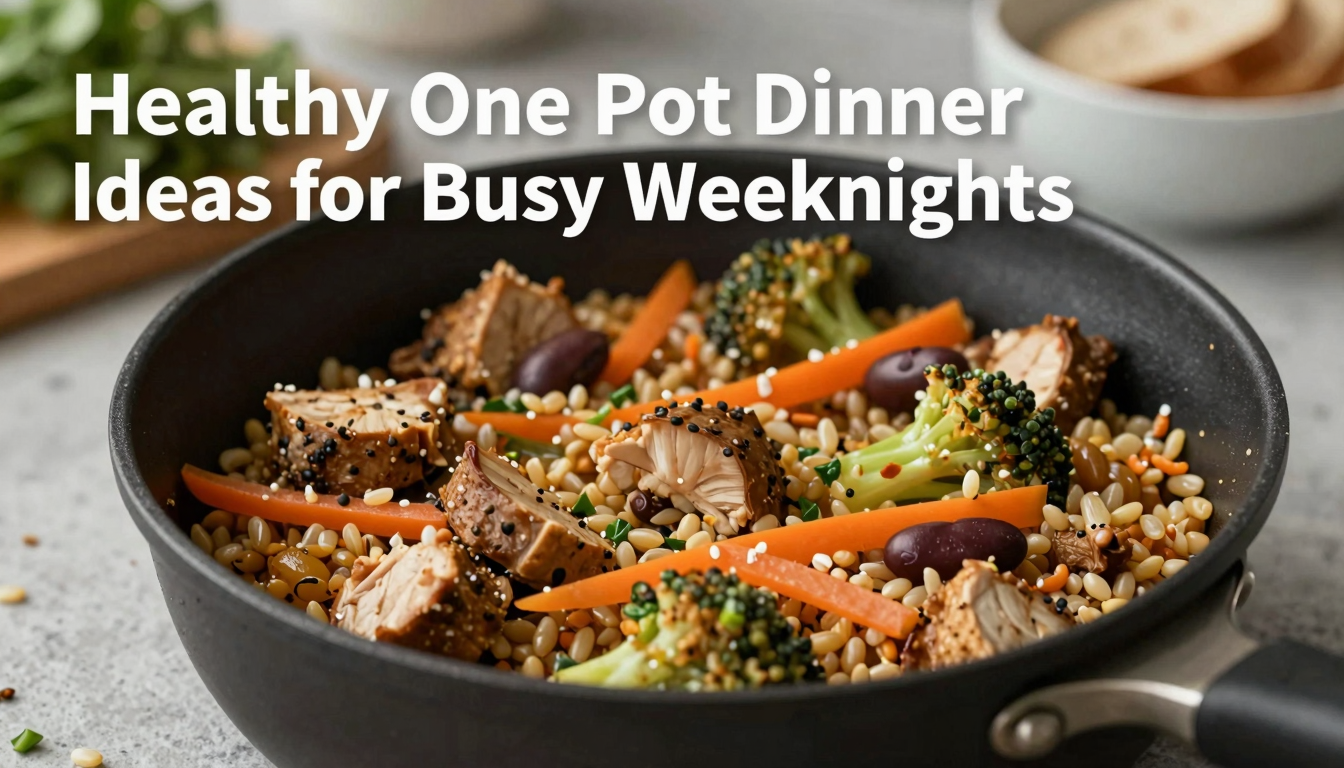
Fiber comes from beans, lentils, vegetables, whole grains, potatoes with the skin, and tomato-based sauces. Protein can come from chicken, turkey, fish, eggs, tofu, tempeh, Greek yogurt stirred in at the end, beans, or lentils. Flavor comes from aromatics, herbs, spices, acidity, and a little fat. Skipping flavor is one reason healthy dinners start to feel like punishment.
Use this formula: aromatic base plus protein plus vegetables plus starch or beans plus sauce or broth. Onion, garlic, chicken thighs, bell peppers, brown rice, and salsa become a Tex-Mex skillet. Leeks, white beans, kale, broth, and small pasta become a cozy soup. Ground turkey, cabbage, carrots, ginger, and rice become a fast skillet bowl.
Shortcut ingredients can help, but compare labels before making them regular staples. Broths, simmer sauces, canned soups, sausages, frozen meals, and seasoned grains can vary widely in sodium, saturated fat, and added sugars. The FDA’s Nutrition Facts label guidance for serving size, sodium, saturated fat, and added sugars is useful when choosing packaged helpers.
The Weeknight One-Pot Formula
Choose the pot that matches the job. A Dutch oven works for soups, stews, chili, and braises. A wide skillet is better for rice bowls, pasta skillets, and vegetable-heavy meals because it gives ingredients more surface area. A sheet pan is not a pot, but it fits the same low-dishwashing idea for fish, tofu, sausage, potatoes, and vegetables.
Build flavor early. Saute onion, garlic, celery, carrots, peppers, ginger, or spices before adding liquid. If you use lean ground meat, cook it with spices so the seasoning carries through the dish. If you use beans, cooked chicken, or tender greens, add them later so they do not turn mushy.
Pick a starch that fits your time. Couscous, orzo, small pasta, parboiled brown rice, microwave-ready brown rice, diced potatoes, frozen corn, canned beans, and lentils are weeknight-friendly. Heartier grains such as farro and wheat berries are easier when cooked ahead.
Finish with brightness. Lemon juice, lime juice, vinegar, salsa, herbs, pickled onions, or plain Greek yogurt can wake up a pot without relying only on salt.
12 Healthy One Pot Dinner Ideas for Busy Weeknights
Use these as templates, not strict recipes.
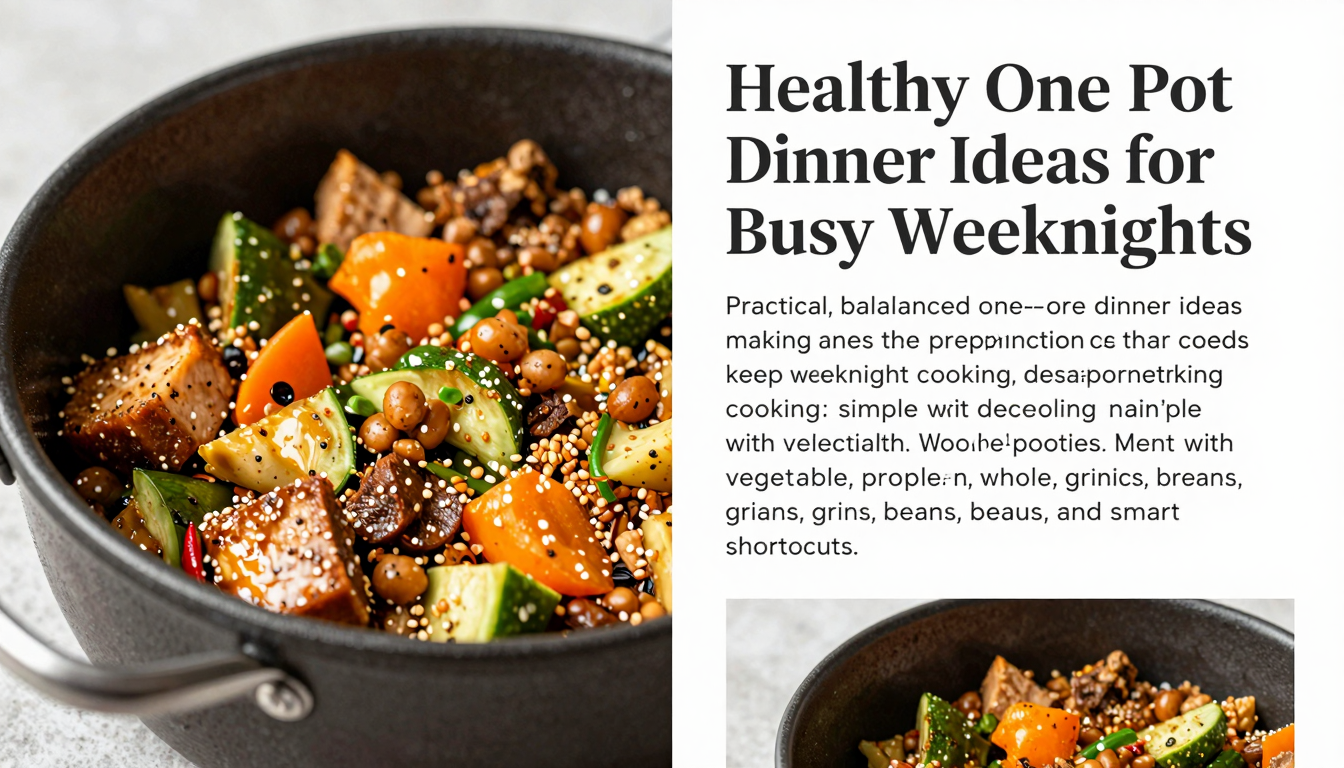
1. White Bean, Kale, and Tomato Soup
Saute onion, garlic, and carrots in olive oil. Add canned diced tomatoes, low-sodium broth, white beans, and chopped kale. Simmer until the greens soften. Add a small handful of whole wheat pasta or serve with whole grain toast. Finish with lemon and parmesan.
2. Chicken, Brown Rice, and Salsa Skillet
Brown bite-size chicken pieces in a wide skillet. Add cooked or parboiled brown rice, salsa, black beans, corn, and chopped peppers. Simmer until hot and saucy, then top with avocado, cilantro, and lime. For another pantry-friendly dinner, try Mediterranean Orecchiette Pasta with White Beans, Tomatoes, and Olives: A Quick & Delicious Dinner.
3. Turkey and Cabbage Skillet
Cook lean ground turkey with garlic, ginger, and reduced-sodium soy sauce or tamari. Add shredded cabbage, carrots, and frozen edamame. Cover briefly so the vegetables steam, then serve over microwave-ready brown rice or stir the rice into the skillet.
4. Lentil Sloppy Joe Pot
Simmer lentils with crushed tomatoes, onion, bell pepper, smoked paprika, chili powder, and a small amount of molasses or maple syrup. Serve on whole grain buns, over baked potatoes, or with roasted vegetables. Lentils bring both protein and fiber.
5. Salmon, Potato, and Green Bean Pan Dinner
Steam small potatoes in a covered skillet until almost tender. Add green beans and salmon fillets on top, then cover until the fish flakes easily. Use the safe minimum internal temperature chart for fish and other proteins when you want doneness guidance. Finish with lemon, dill, and yogurt-mustard sauce.
6. Chickpea and Vegetable Curry
Simmer chickpeas, frozen cauliflower, peas, spinach, canned tomatoes, curry powder, garlic, ginger, and light coconut milk. Serve as-is or over quick-cooking brown rice. Keep the heat mild for mixed households and add hot sauce at the table.
7. Minestrone-Style Pasta Pot
Combine onion, celery, carrots, zucchini, canned tomatoes, beans, broth, and a small pasta shape. Add spinach at the end. Keep pasta modest and beans generous if you want the meal hearty without becoming mostly noodles.
8. Tofu Peanut Noodle Skillet
Pan-sear cubed extra-firm tofu. Add coleslaw mix, snap peas, cooked noodles, and a sauce made with peanut butter, lime juice, garlic, ginger, warm water, and reduced-sodium soy sauce. It is fast, filling, and vegetarian.
9. Chicken Sausage, Beans, and Greens
Brown sliced chicken sausage in a Dutch oven. Add garlic, white beans, kale or escarole, and broth. Simmer briefly and finish with vinegar. Since sausages can be higher in sodium and saturated fat, use them as a flavor ingredient and compare labels.
10. Shrimp, Corn, and Rice Soup
Simmer broth with tomatoes, corn, peppers, spices, and cooked rice. Add shrimp during the last few minutes so it stays tender. Frozen shrimp makes this a strong backup meal when other proteins are not thawed.
11. Beef and Vegetable Barley Pot
Use a modest amount of lean beef for flavor, then stretch the pot with mushrooms, carrots, celery, tomatoes, and barley. Quick barley or pre-cooked grains can make this weeknight-friendly.
12. Egg and Vegetable Hash
Cook diced potatoes or sweet potatoes with peppers, onions, zucchini, or leftover vegetables. Make small wells, crack in eggs, and cover until set. For higher-risk eaters, the USDA’s egg safety tips for cooking and handling are helpful.
Smart Shortcuts That Keep Dinner Balanced
Healthy weeknight cooking gets easier when shortcuts are part of the plan. Frozen vegetables are washed, chopped, and ready to cook. Canned beans can be rinsed and added to soups, skillets, and chili. Rotisserie chicken can be fast protein, especially when paired with vegetables and beans.
Keep flavor builders on hand: salsa, pesto, curry paste, harissa, jarred roasted peppers, low-sodium broth, canned tomatoes, olives, capers, miso, tahini, and plain Greek yogurt. A freezer stash of spinach, peas, corn, cauliflower rice, stir-fry vegetables, shrimp, salmon fillets, and whole grain bread can rescue dinner.
If you cook grains ahead, cool and store them safely. FoodSafety.gov’s cold storage chart for cooked foods can help you decide what to refrigerate, freeze, or toss.
How to Make One-Pot Dinners Work for Weight Management
One-pot meals can support weight-management goals because they make portions easier to plan, but they do not guarantee weight loss. A practical approach is to increase meal volume with vegetables, include enough protein, and choose fiber-rich carbohydrates more often.
You do not need to remove carbs completely. Beans, lentils, potatoes, corn, brown rice, whole wheat pasta, and barley can all fit into dinner. The USDA’s whole grain guidance for choosing more whole grains can help you compare options.
Use the pot to adjust balance. If a pasta skillet is mostly pasta and cheese, add beans, spinach, tomatoes, mushrooms, and chicken or tofu. If chili feels too heavy, increase vegetables. If a rice dish leaves you hungry, add more protein or fiber rather than only increasing rice.
Meal Prep Without Eating the Same Thing All Week
The simplest meal prep is not five identical containers. Prep components that can become several meals: chopped onions and peppers, washed greens, cooked lentils or brown rice, a sauce, cooked chicken, or rinsed beans.
Use planned-over dinners. Turkey chili can become bowls, baked potato topping, and stuffed pepper filling. Minestrone can become lunch with extra beans and greens. Curry can become soup with more broth.
Food safety matters when cooking ahead. Refrigerate leftovers promptly in shallow containers, reheat thoroughly, and do not rely on smell alone. The USDA’s leftover safety tips for cooling, storing, and reheating are worth following if meal prep is routine.
A Simple Weeknight Plan to Try
Pick three one-pot dinners for the week, not seven. Leave room for leftovers, social plans, and nights when toast with eggs is the realistic answer. Try white bean kale soup on Monday, chicken salsa rice skillet on Wednesday, and tofu peanut noodles on Friday.
Before shopping, check your pantry for broth, canned tomatoes, beans, grains, spices, and pasta. Then buy fresh produce, one or two proteins, and a few flavor builders. Healthy one pot dinners work because they reduce friction: keep the formula simple, season generously, use shortcuts wisely, and build meals that leave you satisfied rather than deprived.