
Healthy Salmon Meal Prep Bowls for Easy, Balanced Lunches
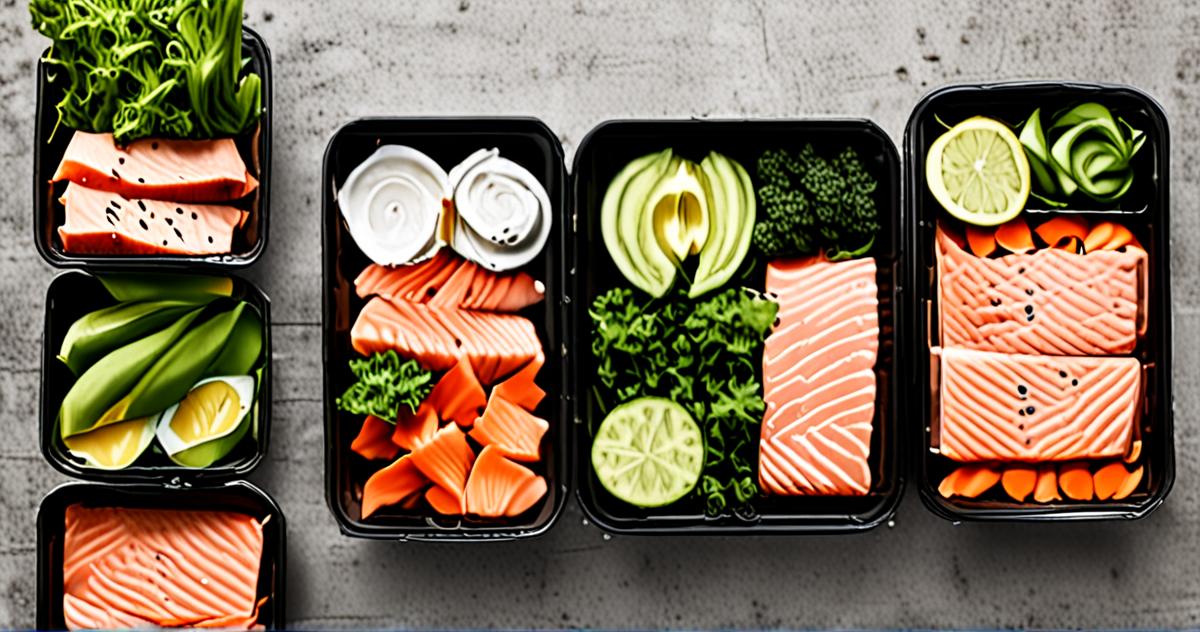
Healthy salmon meal prep bowls make weekday lunches feel fresh, filling, and flexible without turning Sunday into a full kitchen project. A good bowl combines protein, fiber-rich carbohydrates, vegetables, and a sauce that makes everything taste intentional rather than leftover.
Salmon works well for meal prep because it cooks quickly and fits many flavor profiles: lemon-herb, teriyaki-style, taco-inspired, Mediterranean, or spicy yogurt sauce. The real key is building a bowl that stores safely, reheats well, and still tastes good a few days later.
Why Salmon Bowls Work for Healthy Meal Prep
A balanced meal prep bowl solves a practical lunch problem: you need something satisfying enough for the afternoon, but simple enough to actually pack. Salmon brings protein and fat, grains or starchy vegetables add energy, and produce adds volume, color, and texture.
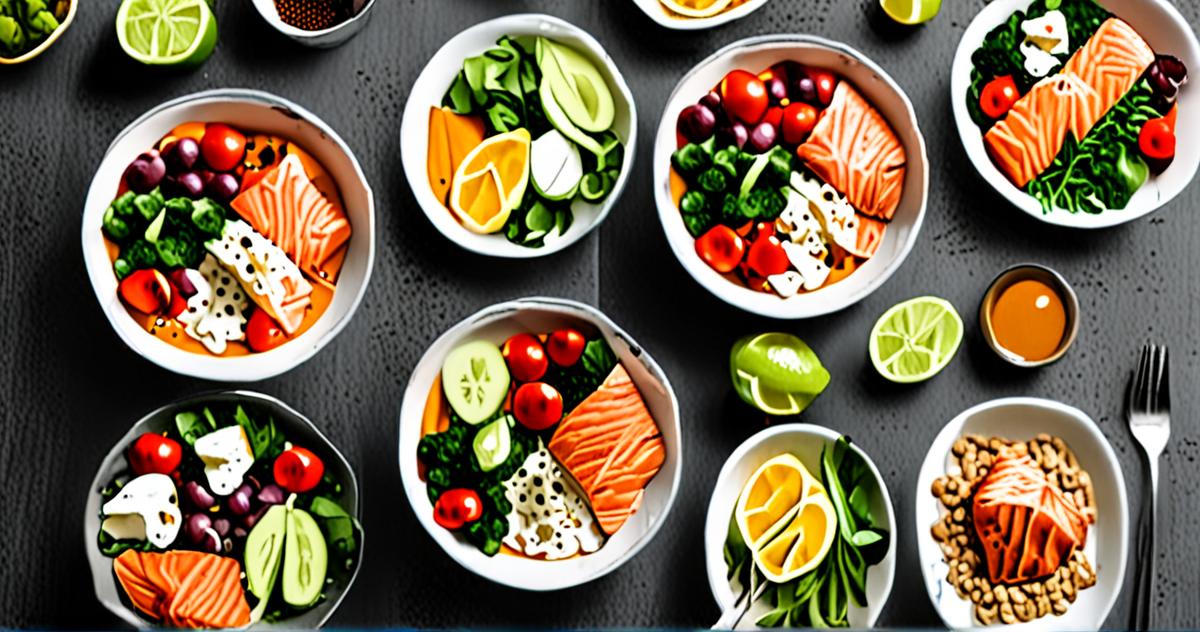
The USDA’s MyPlate framework encourages meals built around vegetables, fruits, grains, protein foods, and dairy or calcium-rich alternatives, according to MyPlate guidance on building healthy meals. Salmon bowls fit that structure because each component can be adjusted instead of following one rigid recipe.
Salmon can also support a heart-healthy eating pattern when it replaces more heavily processed meats. The FDA and EPA advise adults to eat a variety of fish while choosing lower-mercury options, as explained in their advice about eating fish. Salmon is listed among the lower-mercury choices.
Still, salmon bowls are not automatically ideal for every person or goal. Portions, sauces, sodium, cooking method, and overall eating pattern all matter. Treat this as a flexible template, not a medical or weight-loss prescription.
The Basic Formula for a Balanced Salmon Bowl
Use this structure: salmon, a grain or starchy base, vegetables, a flavorful sauce, and one small finishing ingredient for crunch or brightness.
For the salmon, choose cooked portions that fit your appetite and nutrition needs. Many adults use a palm-sized portion for lunch, but individual needs vary by body size, activity, health conditions, and total diet. If you track protein, use a food label or reliable database.
For the base, choose brown rice, quinoa, farro, barley, whole wheat couscous, roasted sweet potatoes, or a mix of grains and greens. Federal guidance recommends making at least half of grain choices whole grains, according to MyPlate grain guidance, so whole grain bases are a useful default.
For vegetables, pair one sturdy cooked vegetable with one fresh element when possible. Roasted broccoli, carrots, bell peppers, cabbage, green beans, snap peas, and cauliflower hold up well. Cucumber, shredded carrots, cherry tomatoes, baby spinach, or slaw mix can keep the bowl lighter.
For sauce, focus on flavor without overdoing it. Lemon-tahini drizzle, Greek yogurt herb sauce, salsa, chimichurri, lower-sodium soy-ginger sauce, or avocado-lime dressing can change the whole bowl. If sodium is a concern, compare labels and lean on citrus, vinegar, garlic, ginger, herbs, and spices. The CDC notes that many Americans consume more sodium than recommended and suggests lower-sodium options in its sodium reduction tips.
A Practical Salmon Meal Prep Bowl Recipe
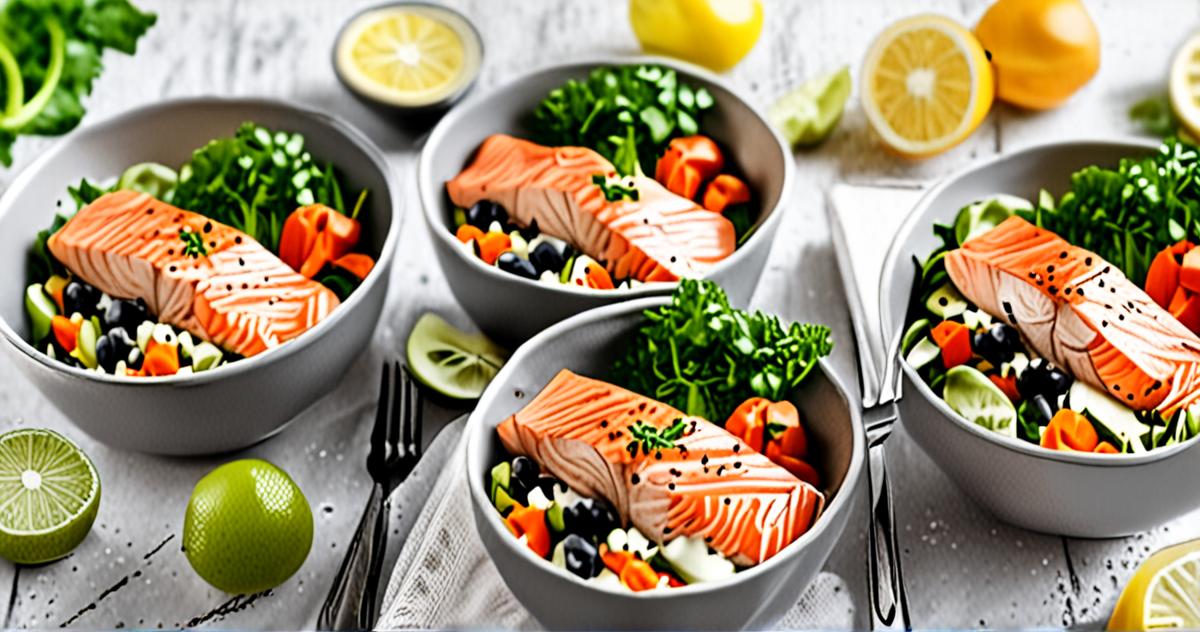
This version makes four lunches, uses accessible ingredients, and cooks mostly on sheet pans.
Ingredients
- 4 salmon fillets, about 4 to 6 ounces each
- 2 cups cooked brown rice, quinoa, or farro
- 1 large head broccoli, cut into florets
- 2 bell peppers, sliced
- 1 medium red onion, sliced
- 1 tablespoon olive oil for vegetables
- 1 to 2 teaspoons olive oil for salmon
- 1 teaspoon garlic powder
- 1 teaspoon smoked paprika
- 1/2 teaspoon black pepper
- 1 lemon, half sliced and half juiced
- 2 cups baby spinach, shredded cabbage, or mixed greens
- Optional finish: pumpkin seeds, sesame seeds, chopped herbs, or sliced scallions
For a lemon yogurt sauce, stir together plain Greek yogurt, lemon juice, chopped dill or parsley, grated garlic, black pepper, and a splash of water. For dairy-free bowls, use tahini, lemon juice, garlic, and water instead.
Method
Heat the oven to 400°F. Line two sheet pans with parchment. Toss broccoli, peppers, and onion with olive oil, garlic powder, smoked paprika, and black pepper. Spread in a single layer and roast until tender and lightly browned.
Place salmon on the second pan. Brush lightly with olive oil, add lemon slices, and season with black pepper, garlic powder, paprika, or a salt-free seasoning blend. Bake until the fish flakes easily and reaches a safe internal temperature. The USDA lists 145°F as the safe minimum internal temperature for fish in its safe minimum internal temperature chart.
Let the salmon cool slightly before assembling. Divide the grain base, roasted vegetables, greens, and salmon among four containers. Pack sauce separately when possible so greens stay fresher and the bowl does not become soggy.
If you want a simple salmon method to adapt, Garlic Roasted Salmon is a natural starting point; pair it with grains, vegetables, and a lighter sauce for meal prep.
Storage and Food Safety Tips
Food safety matters with meal prep, especially when cooked fish is involved. Cool cooked food promptly, refrigerate it in shallow containers, and avoid leaving it at room temperature for long stretches.
The USDA recommends refrigerating perishable foods within two hours, or within one hour when temperatures are above 90°F, as covered in its leftovers and food safety guidance. This matters if you cook, assemble, and then get distracted before putting containers away.
For best quality, plan to eat cooked salmon meal prep bowls within three to four days when stored safely in the refrigerator. Keep the refrigerator at 40°F or below; the FDA explains this target in its refrigerator and freezer storage guidance.
Reheat only what you plan to eat. Salmon can dry out, so use moderate heat and consider reheating grains and vegetables first, then adding salmon for the final minute. If your bowl includes delicate greens, keep them separate and add them after reheating.
For packed work lunches, use an insulated lunch bag with ice packs if a refrigerator is not available. Do not rely on smell alone to judge safety; harmful bacteria are not always obvious.
Budget-Friendly Swaps That Still Taste Good
Salmon can be expensive, but meal prep bowls do not need premium fillets every time. Frozen salmon is often more affordable than fresh and can work well. Thaw it safely in the refrigerator, then pat it dry before seasoning so it roasts instead of steaming.
Canned salmon is another budget-conscious option. Choose lower-sodium versions when available, drain well, and fold it into the bowl after reheating the base. It works especially well with lemon yogurt sauce, cucumber, cabbage, and brown rice. If you dislike the texture, turn it into quick salmon patties and place one over each bowl.
You can also stretch salmon by using a smaller portion and increasing beans, lentils, edamame, or extra vegetables. This helps manage cost while keeping the meal satisfying. Beans and lentils add fiber and plant protein and are usually inexpensive pantry staples.
For grains, buy larger bags of brown rice, barley, or quinoa when practical. Cooked grains can be frozen in flat portions and reheated for quick assembly. Sweet potatoes are another useful base because they are filling, widely available, and pair well with smoky, spicy, or citrusy flavors.
Flavor Variations to Prevent Lunch Burnout
The easiest way to avoid boredom is to keep the same prep structure while changing the sauce and seasonings.
For a Mediterranean bowl, use salmon with lemon, oregano, garlic, cucumber, tomato, greens, farro, and yogurt-dill sauce. Add olives or feta if you enjoy them, but keep portions modest if you are watching sodium.
For a teriyaki-inspired bowl, season salmon with ginger, garlic, and a small amount of lower-sodium soy sauce or coconut aminos. Pair it with brown rice, broccoli, carrots, scallions, and sesame seeds.
For a taco-style bowl, use chili powder, cumin, smoked paprika, lime, roasted peppers, corn, cabbage, salsa, and avocado. This version works with quinoa, brown rice, or a mix of rice and greens.
For a high-vegetable bowl, start with shredded cabbage or chopped romaine, then add roasted salmon, chickpeas, cucumber, carrots, herbs, and tahini-lemon sauce. Pack crunchy toppings separately for better texture.
Common Mistakes to Avoid
The first mistake is overcooking the salmon. Meal prep usually involves reheating, so dry salmon on day one becomes even drier later. Use a thermometer when possible and remove the fish from the oven once it reaches a safe temperature.
The second mistake is packing everything hot. Steam trapped inside a sealed container can make greens wilt and sauces separate. Let hot components cool slightly, then refrigerate promptly within food safety limits.
The third mistake is relying on sauce for all the flavor. Season each layer lightly with herbs, spices, citrus, vinegar, or aromatics. A bowl tastes better when the grains, vegetables, and salmon each contribute something.
The fourth mistake is skipping texture. A small amount of crunch from seeds, cabbage, cucumbers, or toasted nuts can make leftovers more enjoyable. Add these items right before eating when possible.
Finally, avoid treating meal prep as all-or-nothing. Even prepping just salmon and grains can make lunch easier. Add bagged greens, microwave vegetables, or leftover roasted vegetables as the week unfolds.
How to Make These Bowls Work for Your Goals
For general healthy eating, aim for variety across the week. Rotate salmon with other proteins such as chicken, tofu, eggs, beans, tuna, sardines, turkey, or lentils. Different foods bring different nutrients, and variety also makes meal prep easier to maintain.
For weight management, these bowls can be useful because they are portionable and built from filling foods, but they do not guarantee weight loss. Appetite, activity, sleep, medical conditions, medications, and total eating patterns all play a role. Use plenty of vegetables, include enough protein to feel satisfied, and choose sauces that add flavor without making the bowl unexpectedly calorie-dense.
For heart-health-conscious eating, choose mostly unsaturated fats such as olive oil, avocado, nuts, seeds, and fish, while being mindful of sodium and highly processed add-ons. The American Heart Association discusses fish as part of a heart-healthy eating pattern in its guidance on eating fish. If you have medical conditions, allergies, pregnancy-related questions, or dietary restrictions, use personalized advice from a qualified healthcare professional.
Healthy salmon meal prep bowls are not complicated, and that is the point. Cook a flavorful protein, add a sturdy base, load in vegetables, keep sauce separate, and store everything safely. With a few swaps and flavor changes, the same simple formula can carry you through many lunches without feeling repetitive.