
Healthy Chicken Quinoa Lunch Bowls for Easy Meal Prep

Healthy chicken quinoa lunch bowls are useful meal prep because they give you a flexible base of protein, vegetables, texture, and sauce without locking you into one flavor all week. They are not a magic weight-loss meal, and they do not need to be. A good bowl simply helps you pack a satisfying lunch with ingredients you can season, portion, and adjust.
Quinoa works well because it holds its shape after refrigeration, absorbs dressing without turning mushy, and pairs easily with chicken and vegetables. Chicken adds familiar flavor and protein, while vegetables bring color, crunch, and volume. The best version is the one you will actually eat for several days, so focus on a repeatable structure, safe storage, and sauces you like.
Why Chicken Quinoa Bowls Work for Lunch
A strong lunch bowl should be filling, easy to assemble ahead, and balanced enough that you are not hunting for snacks an hour later. Chicken quinoa bowls can meet those goals because each component has a clear job.
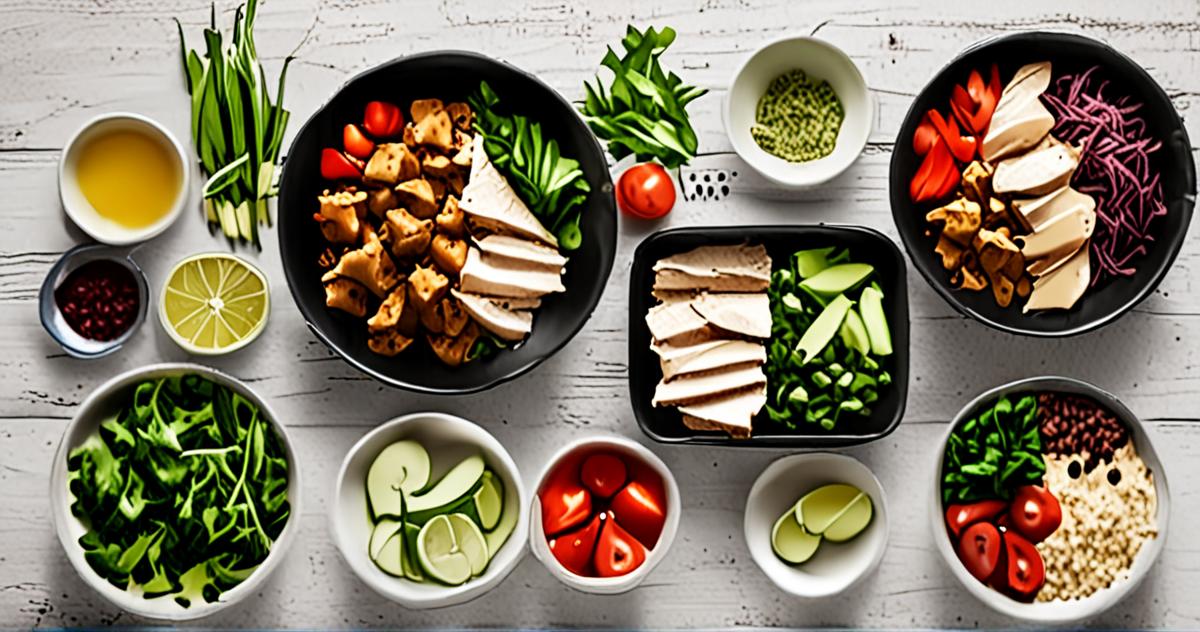
Quinoa is often used like a grain in bowls. Federal nutrition guidance encourages making at least half of grain choices whole grains, according to MyPlate grain guidance, and quinoa can add variety beyond rice, pasta, or bread. It has a nutty flavor, a tender bite, and enough structure for sauces and toppings.
Chicken breast or thighs both work. Breast is lean and mild; thighs are usually juicier and more forgiving when reheated. MyPlate includes poultry among protein foods and recommends varying protein choices as part of an overall eating pattern in its MyPlate protein foods guidance. This bowl uses chicken as the anchor, but the same framework can later support beans, tofu, salmon, or eggs.
Vegetables keep the bowl from becoming just chicken and quinoa in a container. Cucumbers, roasted broccoli, shredded carrots, cherry tomatoes, cabbage, peppers, spinach, and herbs all change the texture. If you like this format, Protein Meal Prep Lunch Ideas for Work: Practical, Healthy Options That Hold Up can help you rotate proteins and sides without rebuilding your routine.
The Basic Bowl Formula
Use this formula: quinoa, chicken, vegetables, sauce, and one finishing ingredient. Portions can shift with appetite and nutrition needs, but the structure keeps the bowl repeatable.
Start with cooked quinoa. Rinse dry quinoa before cooking unless the package says it has been pre-rinsed; this can reduce bitterness from naturally occurring saponins. Cook it in water or low-sodium broth, fluff it, and let it cool before packing.
Add cooked chicken. Grilled, baked, poached, or skillet-seared chicken all work. Season it more assertively than you might for a plain dinner plate because quinoa and vegetables mellow the flavor. Lemon zest, garlic, smoked paprika, cumin, oregano, black pepper, chili powder, and parsley are all useful.
Bring in vegetables with contrast. Aim for at least one crisp raw vegetable and one cooked or hearty vegetable, such as cucumber with roasted zucchini, shredded cabbage with roasted sweet potato, or cherry tomatoes with green beans. Meal-prepped lunches feel flat when every bite is soft.
Sauce is what makes the bowl feel finished. Greek yogurt with lemon and herbs is creamy and bright. Olive oil vinaigrette keeps things light. Salsa with lime makes the bowl casual and fresh. Tahini thinned with water and lemon adds a nutty finish for roasted vegetables.
Finish with something small but high-impact: toasted pumpkin seeds, feta, scallions, cilantro, parsley, avocado, pickled onions, or a squeeze of lemon.
A Simple Healthy Chicken Quinoa Lunch Bowl Recipe
This version makes four work lunches and can be adapted with different sauces or vegetables.
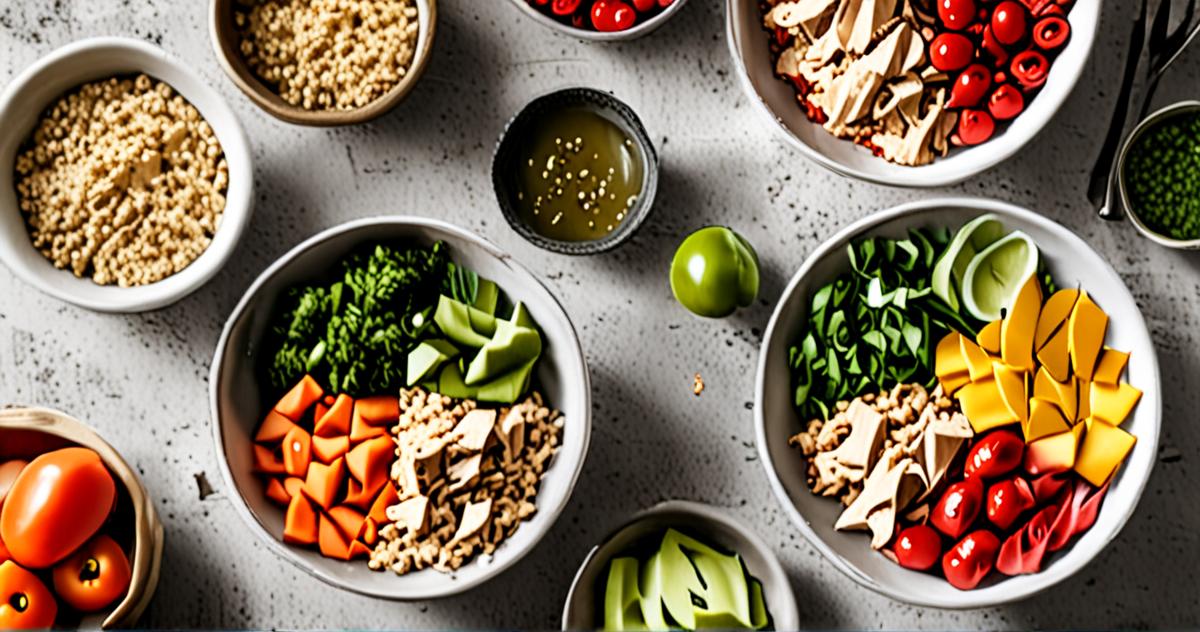
Ingredients:
- 1 cup dry quinoa, rinsed
- 2 cups water or low-sodium chicken broth
- 1 1/4 pounds boneless, skinless chicken breast or thighs
- 1 tablespoon olive oil
- 1 teaspoon smoked paprika
- 1 teaspoon garlic powder
- 1/2 teaspoon dried oregano
- 1/2 teaspoon kosher salt, plus more to taste
- 1/4 teaspoon black pepper
- 2 cups chopped cucumbers
- 2 cups cherry tomatoes, halved
- 2 cups chopped romaine, spinach, or shredded cabbage
- 1 cup shredded carrots
- 1/4 cup chopped parsley or cilantro
- Lemon wedges for serving
For the yogurt sauce:
- 3/4 cup plain Greek yogurt
- 1 tablespoon olive oil
- 1 tablespoon lemon juice
- 1 small grated garlic clove
- 1 tablespoon chopped dill, parsley, or cilantro
- Black pepper to taste
- Water, 1 teaspoon at a time, to thin if needed
Cook the quinoa first. Combine rinsed quinoa and water or broth in a saucepan. Bring to a boil, reduce to low, cover, and simmer until the liquid is absorbed, usually about 15 minutes. Remove from heat, let it sit covered for 5 minutes, fluff with a fork, and cool before packing.
Season the chicken with olive oil, smoked paprika, garlic powder, oregano, salt, and pepper. Bake at 400°F or cook in a skillet until done. The USDA states that poultry should reach a minimum internal temperature of 165°F as measured with a food thermometer in its safe minimum internal temperature guidance. Let the chicken rest before slicing.
Stir together the yogurt sauce ingredients. Taste and adjust with lemon, herbs, or pepper. If you are watching sodium, season gradually and use acid, herbs, garlic, and spices for flavor. The CDC notes that reducing sodium can support heart health as part of broader eating patterns in its sodium reduction guidance.
To assemble, divide quinoa among four containers. Add chicken, vegetables, herbs, and sauce. If using tender greens, pack them on top or separately so they stay fresher. Add lemon just before eating if possible.
Flavor Variations That Keep It Interesting
To avoid lunch fatigue, keep the same prep method and change the flavor direction.
For a Mediterranean bowl, use lemon-yogurt sauce with cucumber, tomato, parsley, red onion, olives, and a small amount of feta. Season chicken with oregano, garlic, lemon zest, and black pepper.
For a Southwest-style bowl, season chicken with chili powder, cumin, smoked paprika, and lime. Add black beans, corn, shredded cabbage, tomatoes, and cilantro. Top with salsa or lime-yogurt sauce. If sodium is a concern, choose lower-sodium canned beans or rinse them before using.
For a roasted vegetable bowl, pair chicken with roasted broccoli, cauliflower, carrots, zucchini, or sweet potato. Use tahini lemon sauce or mustard vinaigrette. This version feels hearty and works especially well for colder months.
Meal Prep and Food Safety Tips
Meal prep only helps if the food stays safe and appealing. Cooked chicken and quinoa should be cooled and refrigerated promptly. The FDA advises refrigerating perishable foods within 2 hours, or within 1 hour if temperatures are above 90°F, in its food safety guidance for consumers. Shallow containers help food cool faster than deep, tightly packed containers.
Store wet and crisp ingredients thoughtfully. Keep sauces in small containers if you dislike softer quinoa. Pack cucumbers, greens, and herbs separately from hot ingredients until everything has cooled. If reheating, warm only the chicken and quinoa, then add raw vegetables and sauce after heating.
Use containers that seal well and fit your routine. Divided containers help protect greens and crunchy toppings. If you commute, an insulated lunch bag and cold pack can help keep food chilled until lunchtime.
If reheating leftovers, heat them until steaming hot. Stir halfway through microwaving when possible so cold spots do not remain. Let the food stand briefly, then add cold toppings.
Nutrition Notes Without Overthinking It
Healthy depends on context. For one person, the priority may be higher protein. For another, it may be more vegetables, less sodium, more fiber, or simply fewer takeout lunches. Instead of chasing a perfect bowl, build one that supports your day.
Protein can help meals feel satisfying, but more is not automatically better for everyone. If you have kidney disease or a medical condition that affects protein needs, follow guidance from your clinician or registered dietitian.
Fiber is another reason this format works. Quinoa, vegetables, beans, seeds, and some sauces can all contribute fiber. The Dietary Guidelines for Americans encourage eating patterns that include vegetables, fruits, grains, protein foods, and dairy or fortified alternatives, as outlined in the Dietary Guidelines for Americans.
Calories still depend on ingredients and portions. Olive oil, tahini, avocado, cheese, nuts, and seeds can be nutritious, but they are energy-dense. Small amounts often go a long way. If weight management is one goal, measuring calorie-dense toppings briefly may help you understand your usual portions without turning lunch into a math project.
Common Mistakes to Avoid
Do not under-season. Quinoa and chicken both need flavor, especially after chilling. Season the cooking liquid, season the chicken, and use lemon, lime, vinegar, herbs, or pickled vegetables to brighten the bowl.
Do not pack everything while hot. Steam can wilt greens, soften cucumbers, and create condensation. Let cooked ingredients cool before sealing containers, while still following safe refrigeration timing.
Do not rely only on soft textures. Quinoa, chicken, roasted vegetables, and creamy sauce need crunch from cabbage, cucumbers, carrots, radishes, seeds, or crisp lettuce.
Do not make four identical bowls if you know you get bored. Prep the base ingredients, then vary sauces and toppings. Two Mediterranean bowls and two Southwest bowls take little extra work but feel more flexible.
How to Make These Bowls Fit Your Week
If Sundays are busy, split the prep. Cook quinoa and sauce one day, then cook chicken and chop vegetables the next. You can also make chicken for dinner and intentionally cook extra for lunch bowls.
Store-bought shortcuts can help too. Rotisserie chicken, microwave quinoa, bagged shredded cabbage, pre-washed greens, and bottled vinaigrette can all make lunch more realistic. Check labels if sodium, added sugars, or saturated fat are concerns, but do not assume every shortcut is a problem.
Healthy chicken quinoa lunch bowls are ultimately a framework: a sturdy base, satisfying protein, colorful vegetables, and a sauce that makes you want another bite. Once you learn the pattern, you can adapt it to your taste, budget, and schedule without relying on rigid meal plans or overpromising nutrition claims.